

Hello, I’m Tom Riley, and welcome back to The Fast Charge, a British EV newsletter.
The main story in today’s edition is a look at the status of the West Midlands Gigafactory, which is about to start construction after its detailed site plans were approved this month. However, there is still no confirmed occupant. So, I also take a look at three companies that may be interested in taking it on.
Elsewhere... The large chargepoint installer, ChargedEV, appears to be quietly winding down. In better news, public charging is now cheaper than using petrol.
As always, if you have any comments or feedback, please reply to this email or message me on LinkedIn.
West Midlands prepares to power up gigafactory site. But who will take it on?
Summary: Coventry Airport will permanently close on 11 June 2026, nearly four years after the site was granted permission to build a gigafactory on the aerodrome in 2022. After it’s vacated, the site owners have confirmed construction is set to begin on installing a mega substation capable of powering the future site.
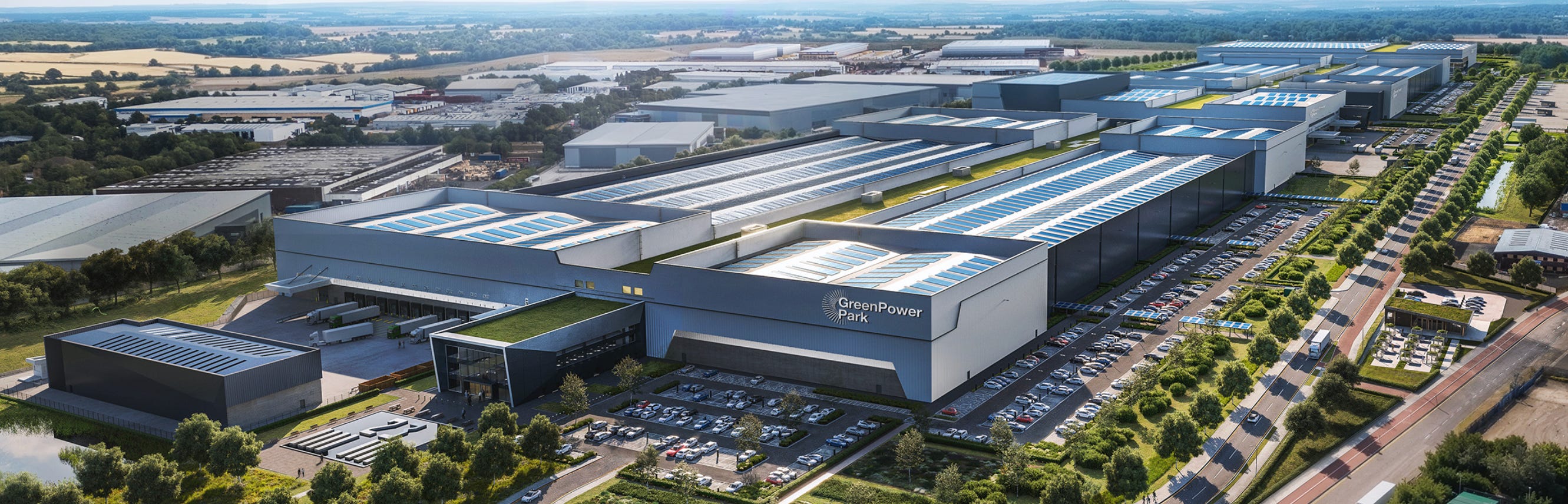
Fresh approvals: This news comes as the site, known officially as ‘Green Power Park’, received permission for its detailed plans for the gigafactory. This includes seven manufacturing facilities ranging from 69,000 square feet to an impressive 1.5 million square feet. The decision was announced in mid-April after the site got approval from Warwick District Council. It also means we now have a much better map of how the gigafactory, which is just a stone’s throw away from the UK Battery Industrialisation Centre, will be laid out. Buildings include a recycling centre, an R&D park, and a logistics hub. (Image further down)
This is the first major news about the West Midlands gigafactory in years.... And it got me wondering, what happens next?
As it stands, there is no business signed up to occupy the site. However, that may be about to change. It’s understood that by getting these recent permissions and moving forward with the power supply, that may be enough for the gigafactory, which is a joint venture between Coventry City Council and the large investor Rigby Group, to finally land someone. I understand that NDAs are in place with interested parties who, historically, had said they’d prefer an out-of-the-box arrangement, rather than simply a nod and a wink approach.
There’s also legal pressure on the horizon. From 1 January 2027, new ‘rules of origin’ will come into force across the UK and EU. For car manufacturers selling into Europe, it will mean tougher rules around sourcing materials for EVs and their battery packs. Otherwise, businesses will face tariffs starting from 10%. Given that industry analysis suggests it can take around 12 to 24 months (or much longer) for a battery factory to deliver output, there is hope that it won’t be long until the West Midlands secures an occupant.
But who would it be? Based on my research, I believe there could be three businesses in the frame. And, you guessed it, they are all Chinese.
👉 Before we dive into each business and why they are on my radar, I’d like to remind you that I am but a humble commentator. And ultimately, the rest of what I write here could turn out to be utter balls. Anyway...
1. Chery
There’s long been talk and hints that the Chinese carmaker, Chery, would take on the West Midlands Gigafactory. Chery’s UK head, Victor Zhang, has put on a sort of burlesque show for British stakeholders in recent years, dropping numerous hints but never actually delivering. In 2024, he told the BBC it was “only a matter of time”, and in 2025, I myself witnessed him tell the audience of an SMMT conference that, when it came to a UK factory, “Everything is on the table. We are considering, we are talking with the relevant parties.”
The reason people have their hopes pinned on Chery is because of its ‘localisation’ strategy, which is: In Somewhere, For Somewhere, Be Somewhere. I’m told that this sentence is really core to how Chery thinks. And given that Omoda and Jaecoo are doing stonkingly well in the UK, there’s a lot of reason to believe they’ll deliver on that.
At the Beijing Automotive Show this week, Chery announced grand plans to serve 10 million customers outside China by 2030. At the conference, Farrell Hsu, Country Director of Chery UK, said: “Our exceptional momentum in the UK reflects the strong appetite for high-quality, practical and accessible vehicles. In 2027, we’ll continue to introduce models which respond directly to how families live and travel today. We are confident in our ability to continue building meaningful and sustained growth in this market.”
I understand that soon Chery will announce that it’ll build an R&D centre in the UK. And this is different from the centre they are already committed to in Liverpool, which is for commercial vehicles. This would be passenger-focused, but the timing is unknown, as is the location.
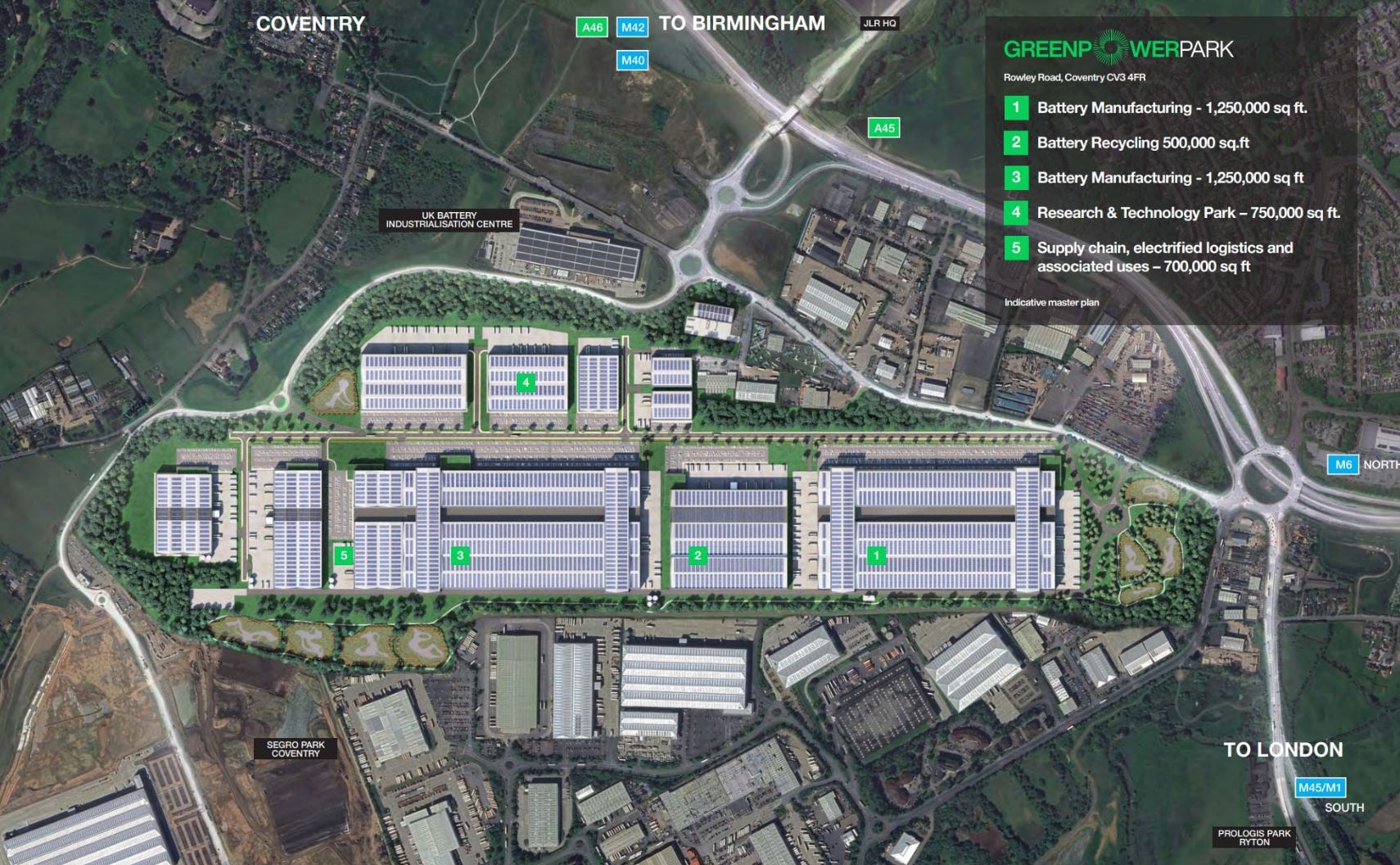
Could it be West Midlands? We know from the approved site plans (above) that it will have an R&D centre right across the road from UKBIC. And in the time it takes to get the rest of the larger buildings up and going, one could easily put on Talking Heads and declare ‘This Must Be The Place’.
However… Riley here is a bit sceptical. My understanding is that Chery has never visited UKBIC. And that seems odd to me. Kind of like buying a house without viewing it. Likewise, from the many people I’ve spoken to connected with the site, I got the sense that Chery may have (or had) an interest, but perhaps it needs to firm up its thinking.
2. NIO
Last year, I boldly wrote about my belief that NIO may be in the frame to take over the Coventry site, as part of its other tie-ups with Forseven, which ultimately merged with McLaren Automotive in April 2025. All these brands are owned and backed by the Abu Dhabi-based CYVN Holdings.

At the time of my report in 2025, there was a lot of evidence pointing to some sort of UK-China deal, based on written responses I was receiving from the UK government through FOI requests. And then the fact that the Business & Trade department said on the record: “While we cannot speculate on commercial investment decisions, we are supportive of NIO’s existing UK operations and would positively view any new investment in the UK.”
Not much has happened since the merger of Forseven and McLaren. However, we know NIO is planning to bring its ‘Firefly’ – a challenger to the Renault 5 – to the UK sometime this year. And we know that NIO will be supplying its battery platform to whatever ‘luxury’ vehicle McLaren ends up making with Forseven.
Likewise, the latest accounts of NIO UK, signed off in October 2025, suggested that the company was in sleep mode, writing: “Management’s ongoing operational expenses are brought to a minimum which will enable management to patiently explore the optimal moment for the market entrance in the future.”
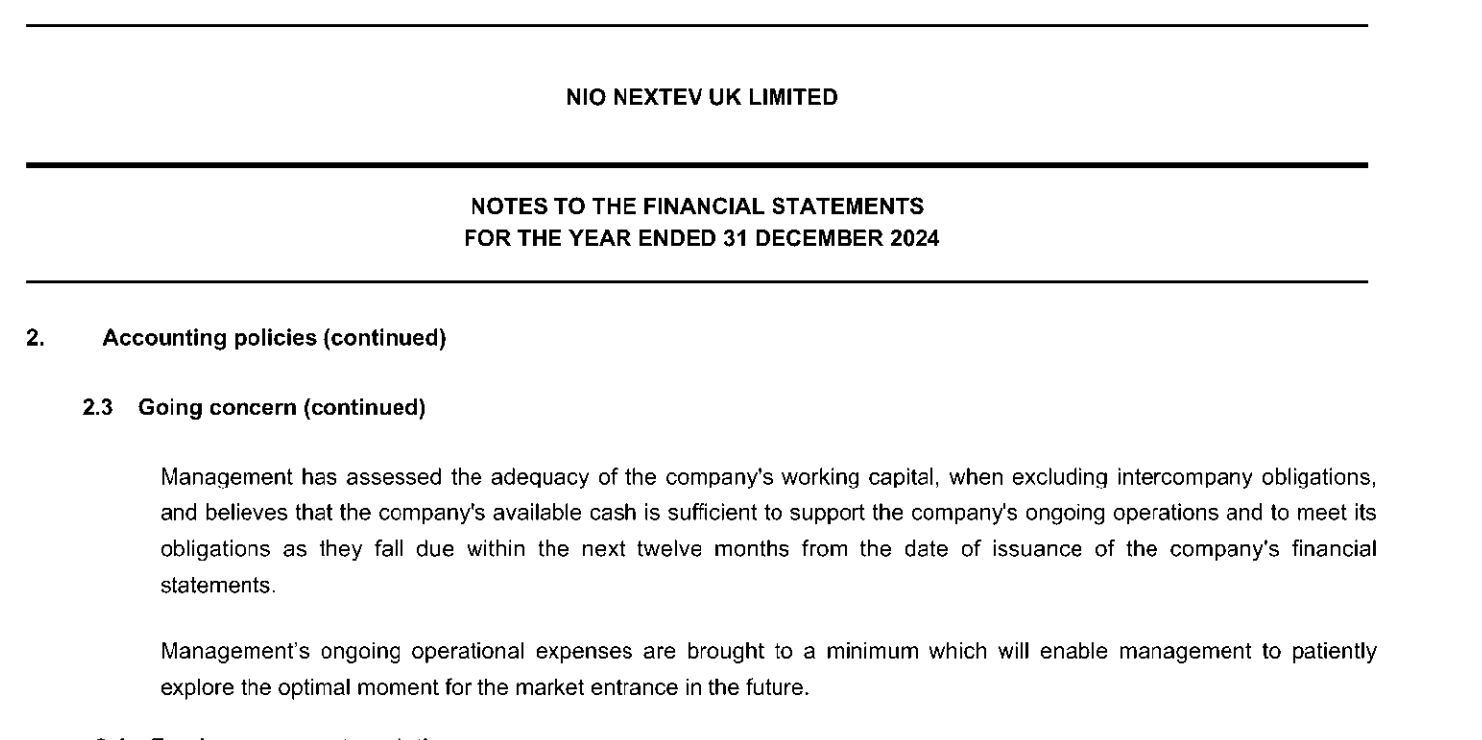
This could just relate to the car launch. But maybe it’s something more? Only a month ago, NIO was hiring for an ‘Advanced Chassis Expert’ who could “push boundaries and develop new and advanced Chassis technologies and Chassis Systems that will allow the creation of new and exciting engineering solutions for our future vehicles.”
I think it remains a contender...
3. CATL
It’s not got a very sexy name - Contemporary Amperex Technology Co., Limited – but ‘CATL’ is the world’s largest battery manufacturer. It supplies batteries to all the major carmakers, including Tesla, BMW, Ford, Volvo, Volkswagen, Hyundai, Kia, Honda, and Toyota. And in China, it also supplies brands like NIO, Geely, SAIC, and XPeng.
If any company could take on a the gigafactory in Coventry and make a success of it, my money would be on CATL. And there’s some evidence to suggest that might be a possibility.
In May 2025, the Chinese company registered in the UK, according to Companies House. Its office is linked to Vistra, a firm that helps businesses set up operations, hire staff, and manage tax and accounting during international expansion.
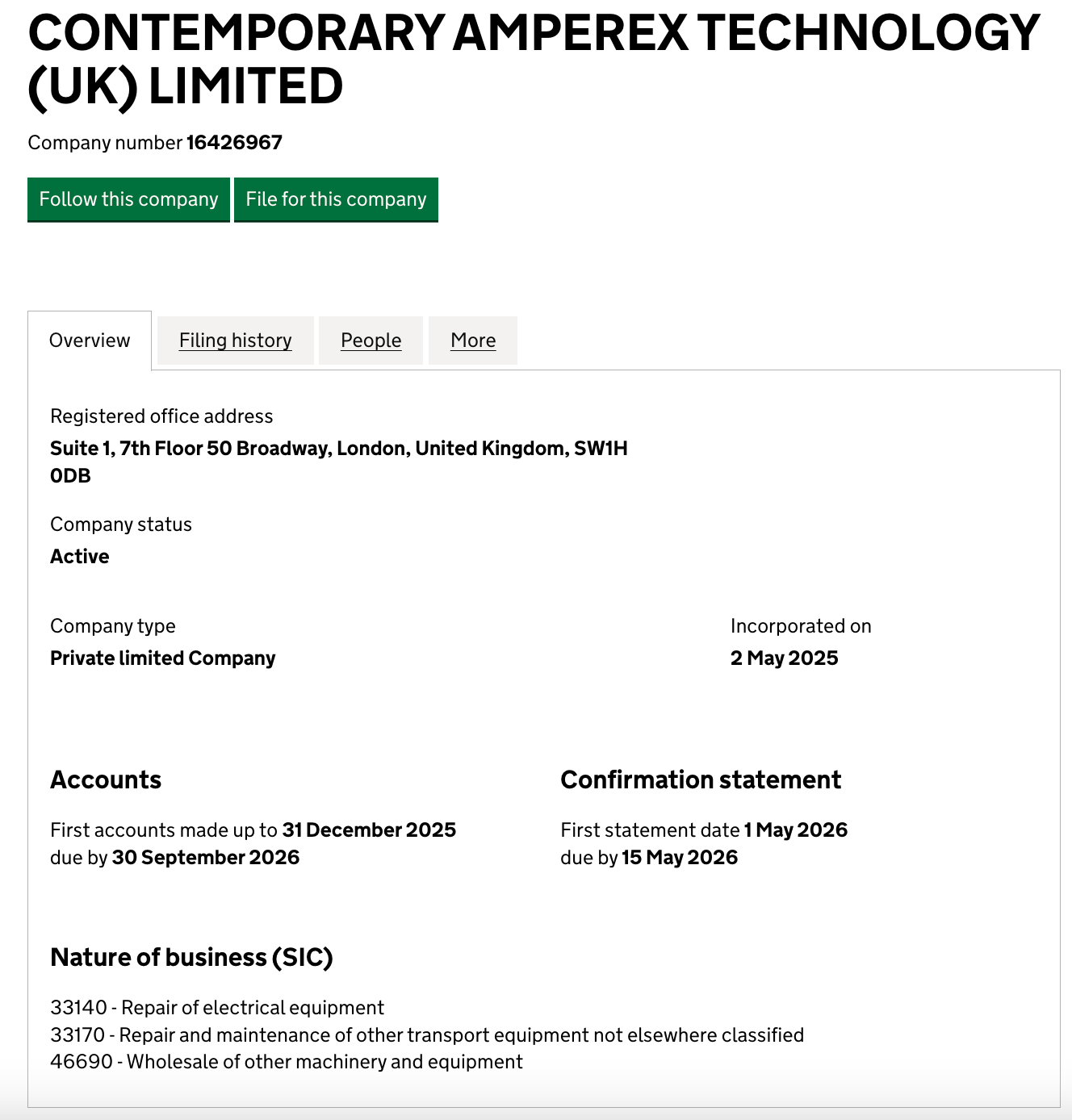
In the UK company, there are three registered directors. One is John H. Kwon, General Counsel of Global Legal & Strategy at CATL. According to his LinkedIn, he looks like a big fish, and it suggests he is the ‘Chairman of the Board’ in the UK. Which also implies there’s potentially more structure to this UK entity than might be publicly known?

The other directors are Aleksej Kruekov, a Senior Manager for Service and Aftersales across CATL’s EMEA business. And also Lan Xinghui, who I understand is a Senior Energy Storage Manager.
On the surface, the reason for this company being registered may be very explainable. CATL already supplies batteries in the UK, and is known to be involved in a lot of battery storage developments. In 2024, they signed an agreement with Rolls-Royce, and in January this year, while Prime Minister Keir Starmer was visiting China, the investment business Schroders signed a memorandum with CATL. Both agreements focused on battery storage projects. It would also align with the company’s registered SIC codes (above).
Furthermore, CATL already has several active operations in mainland Europe. Given the terms of the UK-EU agreement, perhaps it does not need to be here. That’s the view that BYD took when considering where to be based, and ultimately decided the mainland was better.
And yet... I noticed that seven months ago, the UK was the ‘country of honour’ at the 25th China International Fair for Investment & Trade. At the conference, James Turner, formerly Head of Strategic Marketing Projects at the West Midlands Growth Company, spoke at the event to promote EV and battery opportunities in the UK. The event was located in Fujian province, which is also where CATL is headquartered.
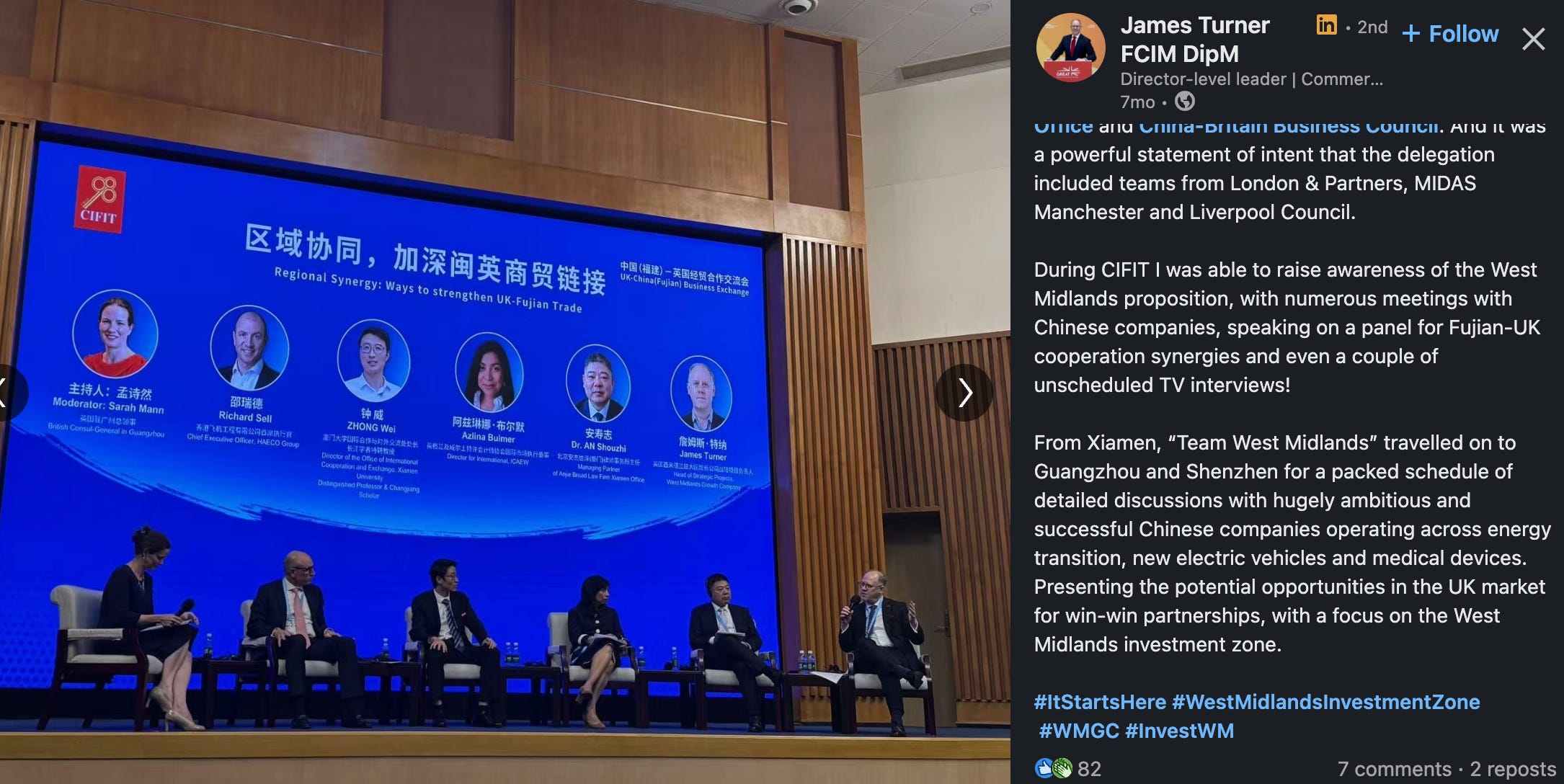
Maybe CATL’s full UK story is yet to come…
What happens now...
All we can do is wait and see. I understand there are conversations and businesses interested. The fact that the site is now closer to ‘oven-ready’ will surely help.
Obviously, the UK has had mixed success getting gigafactories going. Agratas in Somerset, owned by Tata, needed a huge amount of incentives to start. Likewise, the AESC plant in Sunderland, which supports the Nissan plant, has received huge amounts of funding from the government.
As I was preparing this story, I wondered what would happen if no one could be persuaded to take on the West Midlands site; would it go the way of Britishvolt and end up as a data centre, for example? My understanding is that’s simply not an option, as the site only has permission for battery manufacturing. So, fingers crossed!
Reading that probably took some time. But, do you know what takes longer? Researching it all. So please consider becoming a paid subscriber 🙏
Latest EV news...
⚡️ In good news, ChargeUK analysis, using RAC Fuel Watch and Zapmap figures, revealed last week that the cost of charging an EV on the public networks is now lower on average than petrol or diesel for the first time in over a year. This is great, but as we know, it could be cheaper still! Read more. In other ChargeUK news, congratulations to Dora Clarke from Osprey, who has been appointed the body’s Communications Chair.
☹️ In less good news... According to a post on LinkedIn, the chargepoint installer, ChargedEV, is quietly winding down. Dozens of staff now wear the ‘Opentowork’ banner. Based in the Midlands, according to its latest accounts, the company reported a loss of more than £3.8m in the year up to April 2025. In those accounts, the company blamed pricing pressure from competitors that focussed on volumes over margins. In 2025, the average number of employees at the company was 98. The ultimate owner of ChargedEV is Zigup Plc, which trades on the FTSE 250.
👉 The 49 Collective, a campaign to promote women driving change, is running a Spring campaign to celebrate individuals across the energy and clean transport sectors who are actively creating opportunities, championing inclusion, and building environments where women can thrive. Nominations can be made here – you have until 7 May.
🚽 Funny story uncovered by AutoExpress. Apparently, a Chinese EV company has patented an in-car toilet. Read more.
💷 West Cumbria has received £3.4m as part of the LEVI fund to install hundreds of chargers. Read more.
🙅♂️ Readers may recall my recent story about the North Yorkshire Council abandoning its planned rollout of chargers. Following that, one of the council chiefs briefed local news outlets that my report was incorrect. Two points. Firstly, in the correspondence I saw from the council, they used the word ‘abandon’ three times. Secondly, the council made no effort to correct my use of it when I approached them for a comment. Maybe they got a ticking off from OZEV?
🗳️ Finally, speaking of councils, next Thursday, it’s the local elections. Many will see this as a temperature check on Starmer’s Government and an indication of what a general election may bring. The consensus is that Labour and the Conservatives will bleed heavily to the Lib Dems, Greens, and Reform. I’ll write a digest beforehand on how this situation may affect the EV sector. In advance, if you have any thoughts, do ping them my way.